
 Cart is empty
 The Thrill of Risk: Understanding High-Stakes Gambling
High-stakes casino gambling often attracts individuals seeking an adrenaline rush and the allure of substantial rewards. The very essence of risk plays a pivotal role in this psychological phenomenon. As players wager large sums of money, they experience heightened emotions, which can lead to an intoxicating blend of excitement and anxiety. This intersection of risk and reward drives many to partake in online casinos, as they believe that the potential for significant financial gain outweighs the dangers of loss.
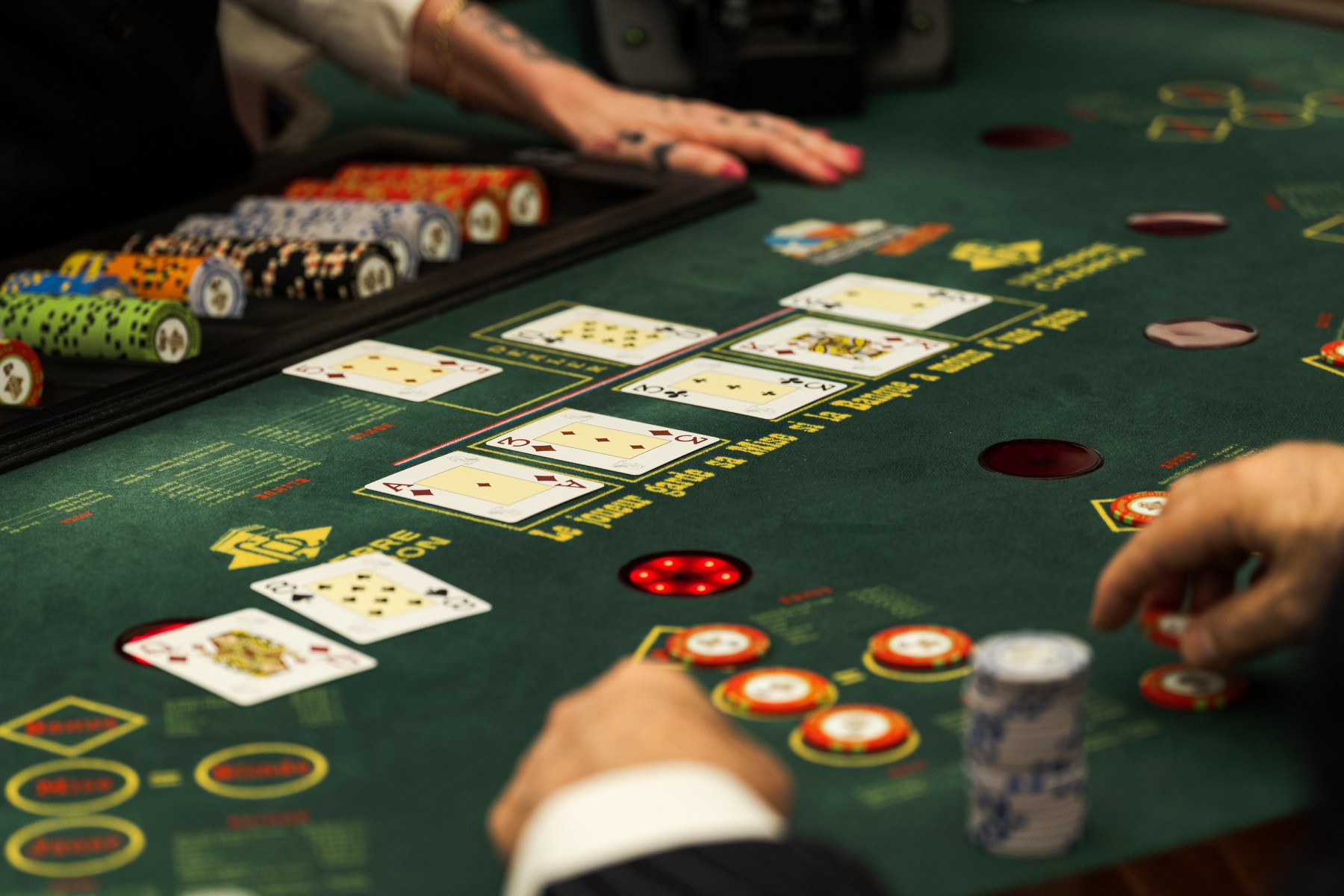
Furthermore, the thrill of gambling can trigger the brain’s release of dopamine, a neurotransmitter associated with pleasure and reward. This chemical response can create an addictive cycle, motivating individuals to continue gambling despite potential negative consequences. Understanding this psychological mechanism is crucial for both players and industry professionals, as it elucidates the potent effects that high-stakes environments can have on decision-making.
The Role of Impulse Control and Decision-Making
When engaging in high-stakes gambling, players often face the challenge of impulse control. The stakes involved can cloud judgment, leading individuals to make hasty decisions that they might not consider in a more relaxed environment. Cognitive biases, such as the illusion of control—the belief that one can influence the outcome of a game of chance—can exacerbate this phenomenon. Players may find themselves betting larger amounts in the hope of reversing their losses, demonstrating a lack of rational decision-making.
Additionally, the social atmosphere of casinos further complicates judgment. Surrounded by others who are also engaging in high-stakes gambling, individuals may feel pressure to keep up or exceed the bets of those around them. This herd mentality can lead to reckless behavior, contributing to significant financial losses and potentially harmful gambling habits.
Emotional Triggers and Their Impact on Gambling Behavior
Emotions play a fundamental role in the gambling experience, particularly in high-stakes environments. Players often experience a wide range of emotions, from euphoria when winning to despair when losing. These emotional fluctuations can impact gambling behavior significantly. For instance, the excitement of a win may prompt players to bet even more, driven by the desire to replicate that euphoric feeling. Conversely, losses can lead to a desperate chase to recover lost funds, further entrenching individuals in a cycle of gambling.
Moreover, situational factors such as time of day, alcohol consumption, and peer influence can amplify emotional responses to gambling. High-stakes environments, often filled with flashing lights and loud sounds, can create a sensory overload that heightens emotional experiences. Recognizing how these emotional triggers operate can help individuals develop better strategies for managing their gambling habits and making more informed decisions.
The Illusion of Winning and Gamblers’ Fallacy
The psychology of high-stakes gambling is also influenced by the phenomenon known as the “illusion of winning.” Players may perceive themselves as being on a winning streak due to selective memory, recalling only their successes while overlooking their losses. This cognitive distortion reinforces continued participation in high-stakes games, as individuals firmly believe that their luck will change or that they are “due” for a win.
Connected to this idea is the gamblers’ fallacy, the belief that previous outcomes affect future results in random games. For example, if a player experiences multiple losses in a row, they may become convinced that a win is imminent. This flawed reasoning can compel individuals to make larger bets, often leading to significant financial consequences. Understanding these psychological traps is essential for fostering a responsible gambling mindset, emphasizing the need for awareness and control.

Explore the Online Casino Landscape
For those interested in high-stakes gambling, the online casino landscape offers a plethora of opportunities. As technology advances, players can access a wide range of games from the comfort of their homes, often with stakes that rival physical casinos. Websites dedicated to online gambling provide comprehensive reviews, expert insights, and guidance to help players navigate this thrilling environment safely and responsibly.
Whether you are a novice or a seasoned expert, understanding the psychology behind high-stakes casino gambling is essential for enhancing your gaming experience. By being aware of the emotional and psychological factors at play, players can make more informed decisions, ensuring a more enjoyable and responsible approach to gambling in the ever-evolving world of online casinos.


