Cart is empty
The allure of gambling
The psychological allure of casino games lies in the thrill and excitement they provide. Many players are drawn to the anticipation of winning, a feeling amplified by the colorful lights and sounds that characterize casinos. This sensory stimulation creates a euphoric environment, making it hard to resist the pull of the next game. Each spin of a slot machine or roll of the dice can lead to a rush of adrenaline, akin to that felt during other forms of high-stakes activities, and for those looking for reliable cash-outs, the australian online casino instant withdrawal options provide peace of mind.
Moreover, the intermittent reinforcement of wins—where players experience occasional payoffs amidst losses—plays a significant role in reinforcing behavior. This unpredictability entices players to continue gambling, as the potential for a big win keeps the hope alive. The brain’s reward system is activated, releasing dopamine with each win, which further enhances the desire to play and can lead to compulsive gambling behavior over time.
Understanding addictive behaviors
Addiction to casino games often stems from complex psychological factors, including personality traits, mental health conditions, and environmental influences. Individuals with higher levels of impulsivity or anxiety may find themselves more susceptible to developing addictive behaviors. When faced with stress or emotional challenges, they may turn to gambling as an escape, leading to a vicious cycle of dependence. This is particularly evident in various social contexts.
Social aspects also play a critical role; many gamblers find camaraderie within gaming communities. This social reinforcement can create a sense of belonging that exacerbates the urge to gamble, as individuals may feel pressured to fit into group norms. Over time, these patterns establish a strong psychological dependence on casino games as both a coping mechanism and a primary source of excitement and social interaction.
The impact of technology on gambling behavior
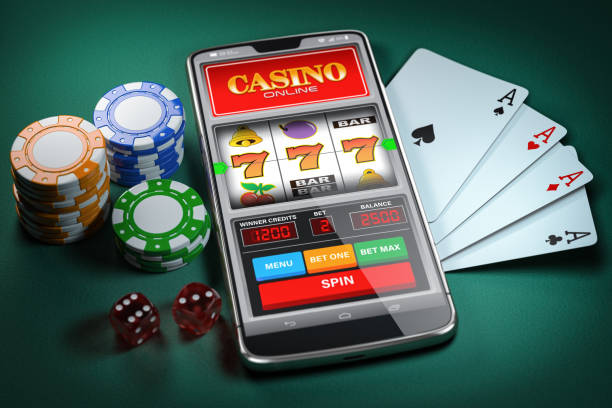
The rise of online gaming has significant implications for the psychology of gambling addiction. Easy access to casino games through mobile devices and computers has made it more convenient than ever for individuals to engage in gambling behavior. This constant availability can lead to increased frequency and duration of play, making it easier for addiction to develop and intensify.
Furthermore, online casinos employ various psychological tactics, such as enticing bonuses and rewards, to keep players engaged. These strategies can manipulate players’ emotions, enticing them to continue playing even after experiencing losses. As technology evolves, understanding its impact on gambling behavior becomes increasingly essential in addressing and preventing addiction.
Signs and symptoms of casino game addiction
Recognizing addiction to casino games can be challenging, especially for those who may be in denial about the extent of their gambling behavior. Common signs include an increasing preoccupation with gambling, often at the expense of personal relationships and responsibilities. Individuals may find themselves lying about their gambling habits or experiencing withdrawal symptoms when they attempt to cut back or stop.
Additionally, the financial consequences of casino game addiction can be severe. Many individuals may rack up debt, sell possessions, or borrow money to support their gambling habits. These behaviors not only impact the individual’s financial stability but also affect their overall mental health and well-being, creating a cycle that is difficult to escape without intervention.

Resources for support and recovery
For those struggling with casino game addiction, various resources offer support and guidance. Many organizations provide counseling and treatment programs tailored specifically for gambling addiction, helping individuals develop coping strategies and find healthier outlets for stress and excitement. Seeking help is a crucial first step in overcoming addiction, allowing individuals to regain control of their lives.
Moreover, online casinos have begun to promote responsible gambling practices, encouraging players to set limits and take breaks. By fostering a more supportive gaming environment, both players and operators can work together to mitigate the risks associated with gambling and promote healthier habits in the gaming community.